Ready to buy your first place in Atmore, but torn between a move-in-ready starter home and a fixer-upper with potential? You are not alone. In a market where many homes are older and affordability matters, the right choice often comes down to your budget, your timeline, and how much work you are truly ready to take on. This guide will help you weigh both paths, spot common issues in older homes, and plan your next step with more confidence. Let’s dive in.
Why This Choice Matters in Atmore
Atmore is a smaller housing market with about 8,310 residents, 3,389 housing units, and a median owner-occupied home value of $157,800. The owner-occupied rate is 52.3%, and the median household income is $38,862. Those numbers help explain why many buyers here focus closely on affordability and monthly payment.
For many first-time buyers, that means shopping existing homes instead of waiting for new construction. In Atmore, older homes are a meaningful part of the local housing mix. If you are looking for a starter home, you may also end up looking at homes that need updates, repairs, or a little vision.
What Atmore Starter Homes Often Look Like
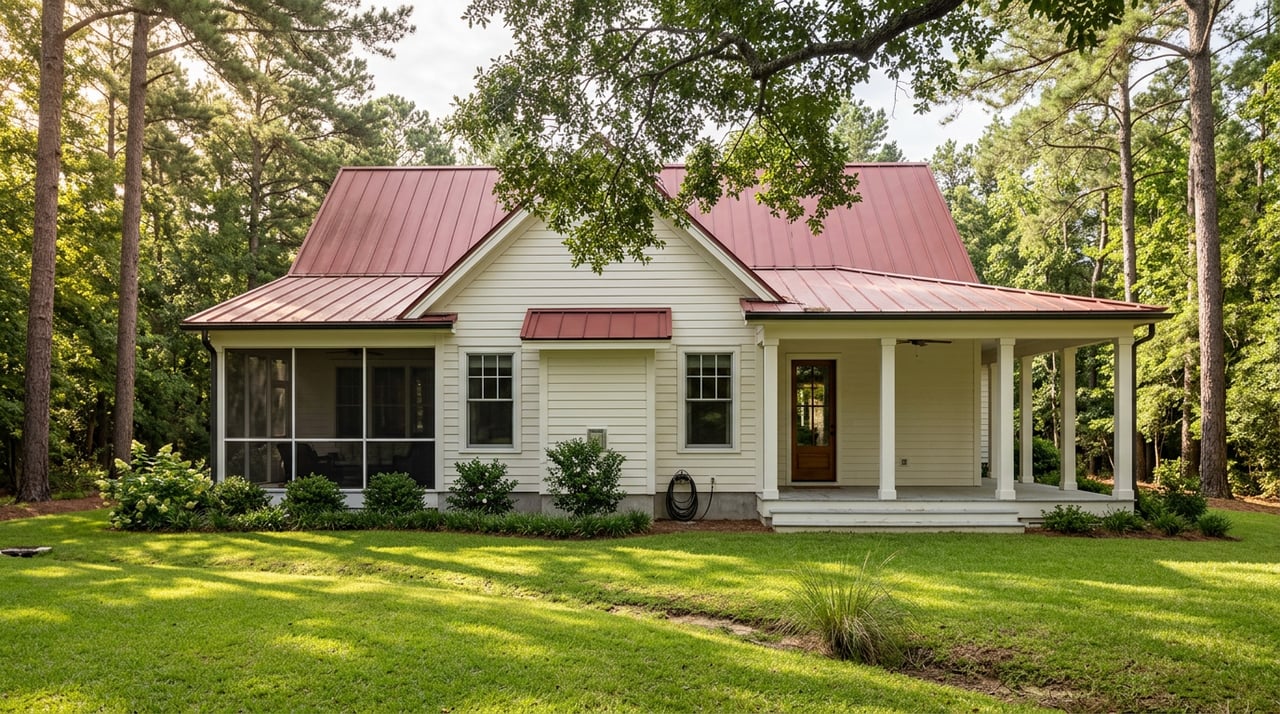
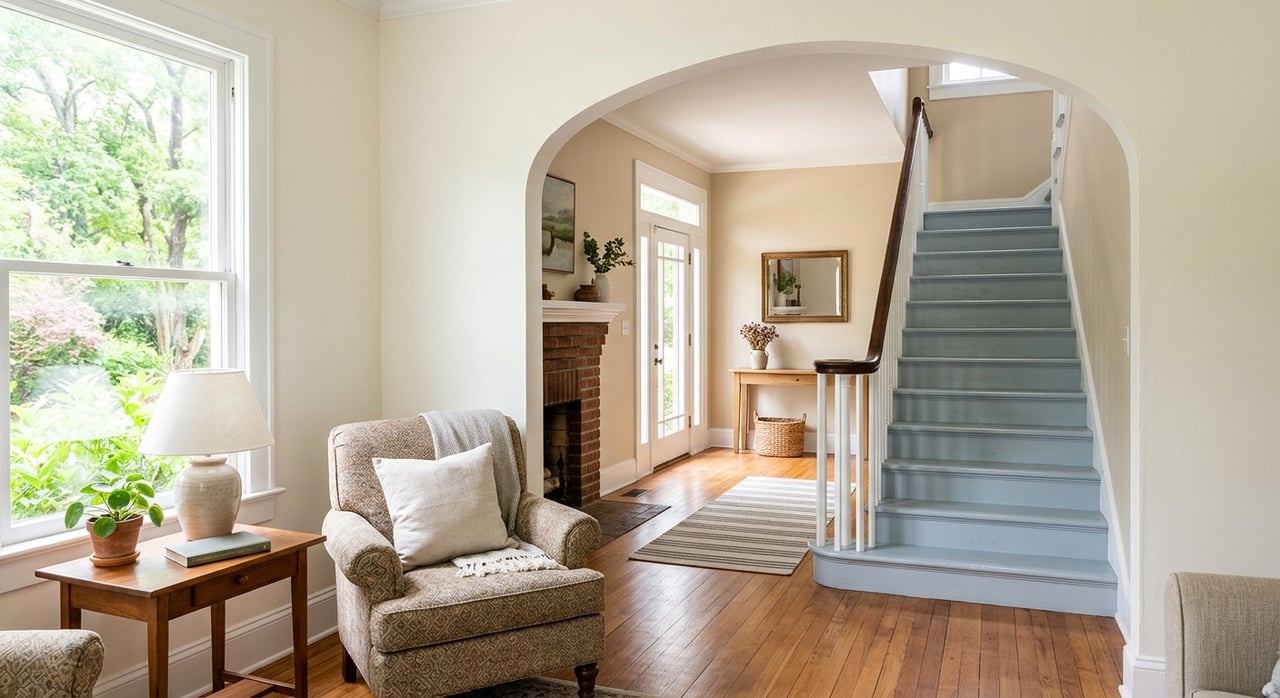
In Atmore, a starter home is not always a newer house with all the latest finishes. Some available homes reflect earlier eras, including properties from the early to mid-1900s. That can mean hardwood floors, high ceilings, detailed trim, and other character features that buyers still love today.
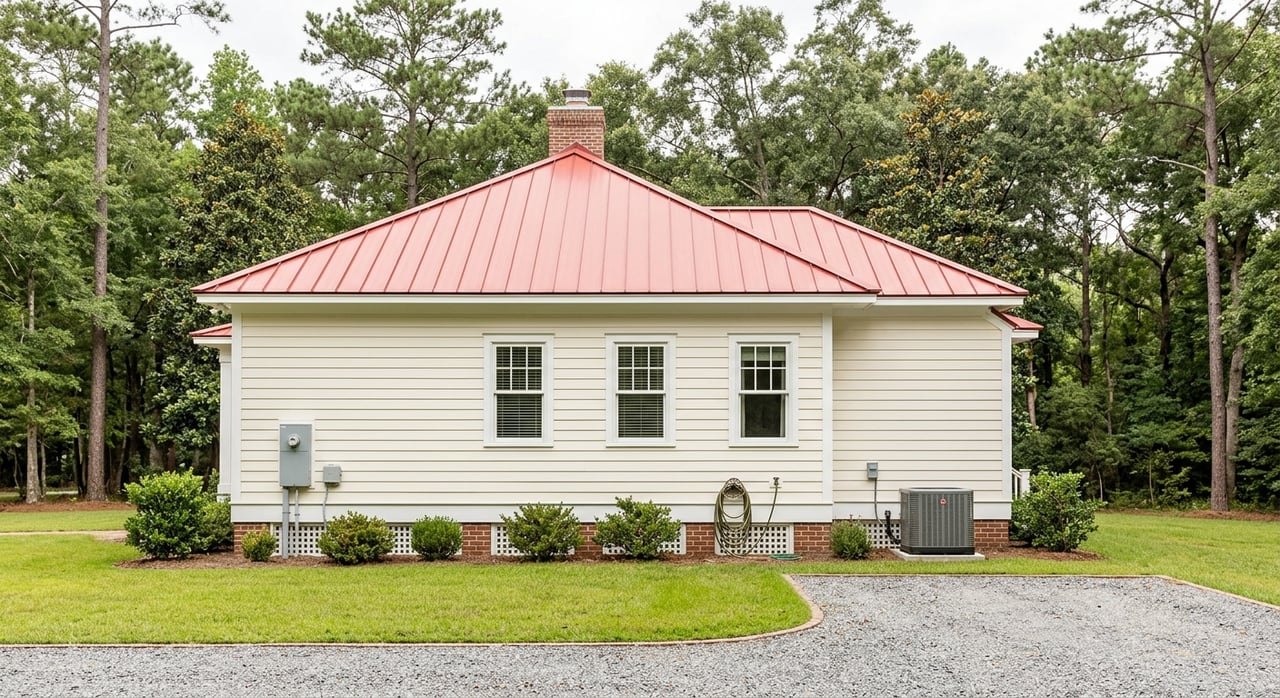
It can also mean aging systems behind the walls. A home that looks mostly cosmetic on the surface may still need work on the roof, windows, HVAC, plumbing, or electrical. That is especially important to remember when comparing a lower list price with the real cost of ownership.
Older Homes Can Offer Character
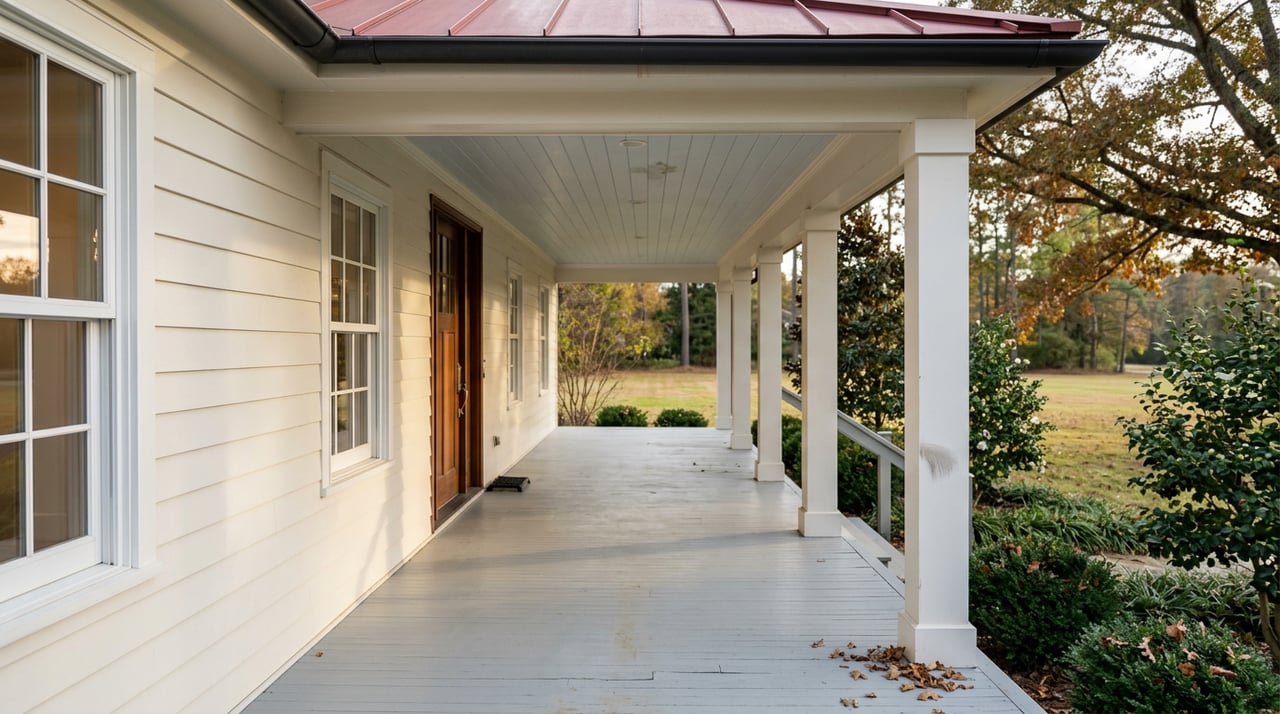
Older Atmore homes may bring features that are hard to find in newer builds. You might see wide window casings, beadboard details, covered porches, or original wood floors. If charm matters to you, that can be a big plus.
Still, character should not distract you from condition. The goal is to find a home that fits your life and your budget, not just one that photographs well. A thorough review of the home’s major systems matters just as much as the floor plan.
Downtown Areas May Have Extra Rules
Atmore’s history goes back to the 1860s, and the downtown commercial historic district includes buildings from the late 19th century through the mid-20th century. If a property is inside a historic district, some exterior changes may require local review before work begins. That can affect your renovation timeline and your project costs.
Main Street Atmore notes that property owners in the district should get required approvals and building permits before updates, renovations, or exterior changes. If you are considering a fixer-upper near downtown, it is smart to verify that early. It is much easier to plan around rules upfront than to discover them after closing.
Starter Home vs. Fixer-Upper
A starter home and a fixer-upper can overlap in Atmore. Many entry-level homes are older, and some need at least a few repairs or updates. The key is deciding how much work you want to do and how much uncertainty you can handle.
Here is a simple way to think about it:
| Option | Best For | Main Advantage | Main Risk |
|---|---|---|---|
| Starter home with minimal work | Buyers who want a faster move and more predictable costs | Easier transition into homeownership | Higher price for updated condition |
| Fixer-upper | Buyers who want to build value over time | Lower entry price and room to customize | Repairs may cost more than expected |
If your savings are limited, a lower purchase price may sound appealing. But if the home needs major systems work soon after closing, that lower price can lose its appeal quickly. Your monthly payment is only part of the equation.
Costs To Think About Before You Choose
The purchase price is just your starting point. In older homes, repair and update costs can shape whether a property still makes sense for you. Before making an offer, try to separate needs from wants.
Needs are things like roofing, electrical, plumbing, HVAC, or structural and moisture-related concerns. Wants are cosmetic updates such as paint colors, fixtures, or flooring style. A home can work well as a starter home if the major systems are solid, even if the decor feels dated.
Ask Yourself These Questions
- How much cash will you have left after closing?
- Could you handle an unexpected repair soon after move-in?
- Do you want to live in the home while work is happening?
- Are you comfortable managing contractors and permits?
- Do you need the home to be functional right away?
Your answers can tell you a lot. If you need a simple, stable first step into homeownership, a home with fewer immediate projects may be the better fit.
Inspections Matter Even More With Older Homes
In Alabama, buyers should take inspections seriously. The Alabama Real Estate Commission notes that buyers should use a home inspector because sellers and sellers’ agents generally are not required to disclose defects unless asked, except for issues that pose an immediate health or safety risk. That makes your due diligence especially important.
Alabama home inspectors are licensed through the State of Alabama Division of Construction Management. When you are comparing older homes in Atmore, a licensed inspector can help you understand whether you are looking at simple updates or larger repair needs.
Key Inspection Areas To Watch
For older starter homes and fixer-uppers in Atmore, pay close attention to:
- Roof condition
- Electrical system age and safety
- Plumbing materials and leaks
- HVAC age and function
- Window condition
- Signs of moisture intrusion
- Foundation or floor concerns
- Exterior condition and drainage
These items often have a bigger budget impact than cosmetic features. If several major systems are nearing the end of their life, the home may not be the bargain it first appeared to be.
Termite And Wood Infestation Checks
Older homes can also raise concerns about wood-destroying organisms. Alabama has an official wood infestation inspection report used in real estate transactions, and the state notes that this report may be required for financing or refinancing. It checks visible and accessible areas, but it does not guarantee that hidden damage will be found.
That is why a termite or wood infestation inspection can be especially important in an older home. If the property has signs of prior damage or deferred maintenance, this step becomes even more valuable.
Lead Paint In Pre-1978 Homes
If the home was built before 1978, lead-based paint is more likely to be present. Buyers should receive the required disclosure information before purchase. If you plan to renovate, disturbing old paint can create hazardous dust.
The EPA recommends testing or using lead-safe certified professionals before renovation in older homes where lead paint may be present. This is one more reason to plan carefully before taking on a fixer-upper with sanding, scraping, or wall removal.
Check Floodplain Status Early
If a home sits on a low-lying lot or near drainage areas, verify floodplain status as early as possible. Atmore’s Building Department oversees floodplain management and directs property owners to FEMA flood map resources. This step can affect both your comfort level and your carrying costs.
Even if a home looks like a great deal, floodplain considerations may change the full picture. It is better to ask early than to be surprised later in the process.
Understand Permits Before You Renovate
In Atmore, the Building Department handles permitting, plan review, and inspections. The city’s permit application covers common types of work including renovation, repair, roofing, windows, HVAC, plumbing, electrical, and swimming pools. If your fixer-upper plan includes any of those items, you will want to understand the process before work starts.
The permit form also requests license information tied to relevant state boards. That is a useful reminder to work with properly licensed contractors. Good planning at the front end can help you avoid delays, added costs, or work that needs to be redone.
Financing A Fixer-Upper In Atmore
If you love the idea of buying a home and improving it over time, financing may help bridge the gap. HUD’s FHA 203(k) program allows eligible buyers to combine the purchase or refinance of a home with rehabilitation costs, as long as the home is at least one year old. Rehab funds are placed in escrow and released as work is completed.
That can be helpful if the right home needs more than cosmetic work. Instead of trying to cover all repairs out of pocket, you may have a structured path to finance both the purchase and the updates. For buyers looking at older Atmore homes, that can open up more realistic options.
Historic Property Credits May Help Some Buyers
Some fixer-uppers may also offer potential tax credit opportunities. Main Street Atmore says Alabama’s historic rehabilitation tax credit offers a 25% refundable credit for qualifying historic properties that are at least 60 years old and listed in or eligible for the National Register.
Not every property will qualify, and not every buyer wants the added planning that can come with historic work. Still, if you are considering an older home with long-term renovation potential, this is worth asking about early.
How To Decide Which Path Fits You
A starter home may be the better fit if you want predictable costs, a faster move, and fewer surprises. A fixer-upper may make more sense if you are comfortable with projects, have a repair plan, and want to build value over time. Neither choice is automatically better. The right answer depends on your finances, your patience, and your goals.
In Atmore, local knowledge matters because older homes can vary a lot from one property to the next. The smartest move is not just finding a house. It is understanding which homes are strong candidates, which ones may fall in historic areas or flood-sensitive locations, and which renovation plans will likely require permits.
If you are weighing a starter home against a fixer-upper in Atmore, a local, hands-on guide can make the process much clearer. For practical advice and responsive support, reach out to Melissa McMillan and take the next step with confidence.
FAQs
What is the difference between a starter home and a fixer-upper in Atmore?
- A starter home usually needs less immediate work, while a fixer-upper often needs repairs or updates that may affect your budget, timeline, and financing.
Why are inspections so important when buying an older home in Atmore?
- Older homes may have issues with roofing, HVAC, plumbing, electrical, moisture, or wood infestation, and Alabama buyers are encouraged to use a licensed home inspector because defects may not be disclosed unless asked.
Do older homes in Atmore need permits for renovation work?
- Yes, many types of work such as roofing, windows, HVAC, plumbing, electrical, and general renovation may require permits through the City of Atmore Building Department.
Do historic district rules affect fixer-upper homes in Atmore?
- They can, especially for exterior changes, so you should confirm whether a property is in a historic district and what approvals may be needed before starting work.
Can you finance repairs when buying a fixer-upper in Atmore?
- Possibly, because HUD’s FHA 203(k) program allows eligible buyers to combine the purchase of a home with rehabilitation costs for a property that is at least one year old.
Should you check floodplain status before buying a home in Atmore?
- Yes, especially if the lot is low-lying or near drainage, because floodplain status can affect your decision-making and future costs.