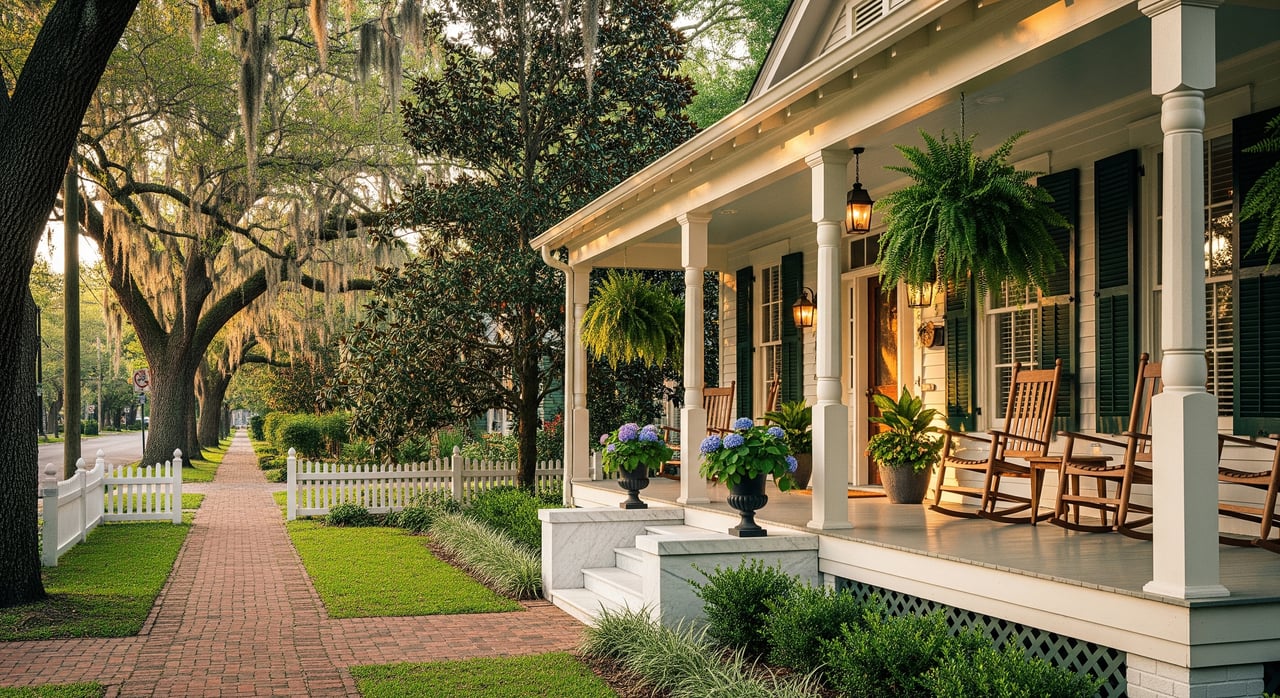
Thinking about a move to Atmore? If you want small-town comfort with real connections and room to breathe, this corner of Escambia County might fit you well. You’ll find a friendly pace, practical amenities, and a community that shows up for ball games, parades, and local causes. In this guide, you’ll get a clear view of daily life, housing options, things to do, and how to plan your next steps. Let’s dive in.
Community vibe and everyday rhythm
Atmore feels neighborly from the start. You’ll notice familiar faces at the grocery store, a wave from the next car over, and local businesses that remember your order. Civic life is active, with churches, service clubs, and volunteer groups organizing events and helping neighbors.
Cultural identity runs deep here. The Poarch Band of Creek Indians plays an important role in the local economy and culture through hospitality, tourism, and community programs. Downtown businesses and seasonal events round out the local pride you’ll see on a typical week.
Daily needs close to home
Day-to-day errands are easy. You have access to grocery stores, pharmacies, banks, hardware, and a post office in town. Big-box runs are within a reasonable drive, so you can choose between shopping local and stocking up.
Healthcare needs are covered with local primary care and urgent care options for routine visits and minor issues. For emergency or specialty care, larger hospitals in nearby cities serve Atmore residents, with straightforward highway access. If you’re comparing providers, it helps to list your must-haves and check hours, accepted insurance, and patient portals before you choose.
Schools and learning options
Public schools serving Atmore operate within the Escambia County, Alabama system. You’ll also find private and parochial options, plus career and technical programs in the region. For older students and adult learners, nearby community college campuses offer certificates, workforce training, and two-year degrees.
Because education choices are personal, review each school’s website, accountability reports, and program offerings. Visit campuses when possible and ask about transportation, extracurriculars, and enrollment timelines to find the best fit for your household.
Homes and neighborhoods
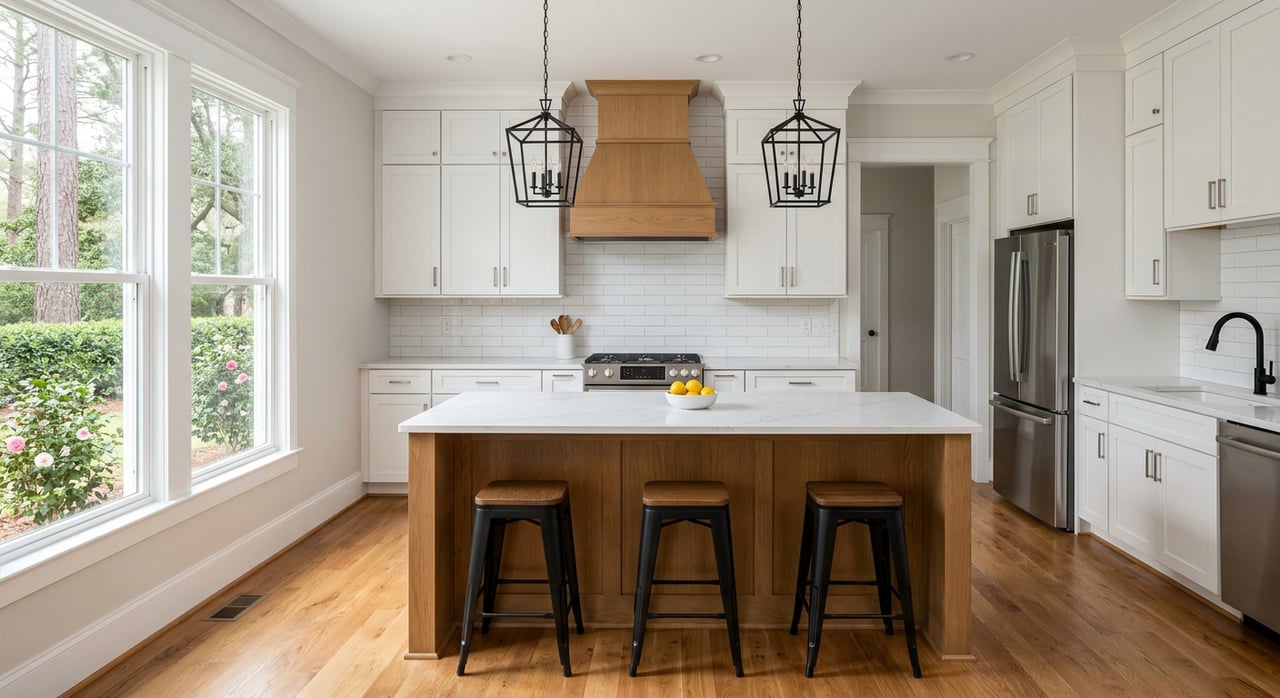
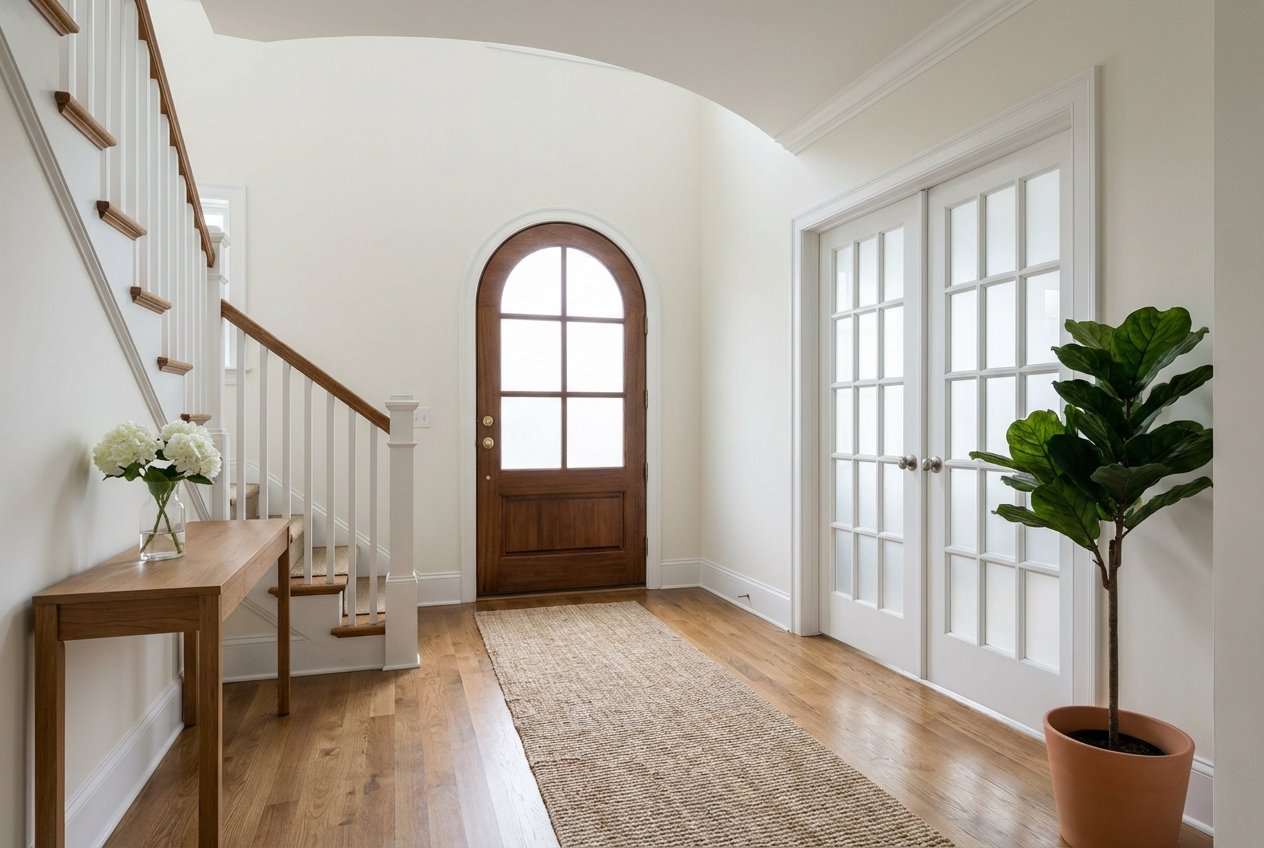
Housing in Atmore covers a wide range, so you can match your lifestyle and budget:
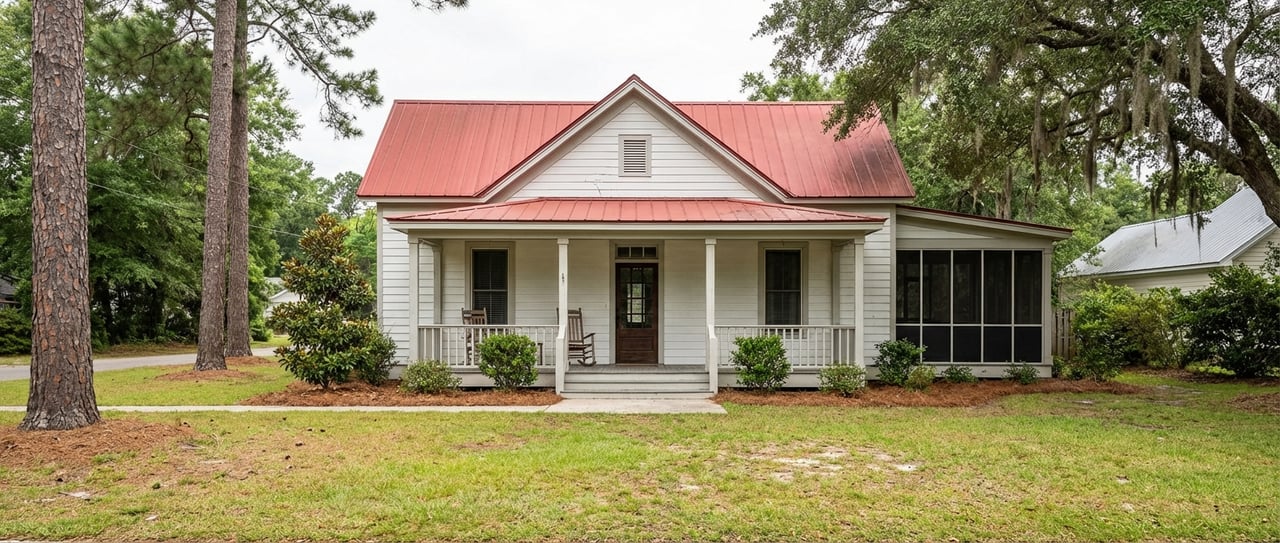
- Historic and cottage-style homes near established streets
- Brick ranches and bungalows with practical floor plans
- Manufactured homes on owned or leased land
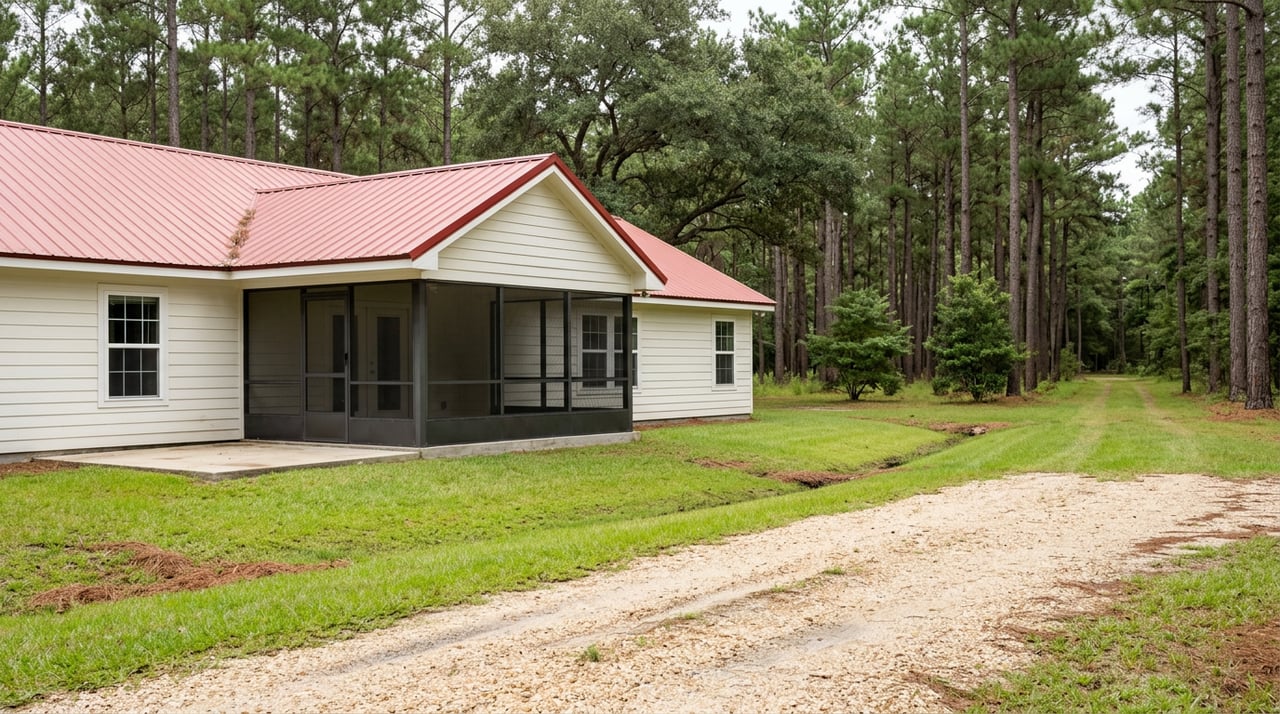
- Small acreage properties for privacy, gardens, or hobby livestock
- Newer builds in modest subdivisions
If you work from home or want a shop, look for homes with extra flex space and good internet options. If you’re planning for multigenerational living, prioritize layouts with a second living area or a first-floor bedroom suite. For acreage buyers, confirm access, utilities, and any easements early in your search.
Jobs and the local economy
Atmore’s economy is steady and locally driven. Tribal enterprises support hospitality and tourism jobs, and you’ll also see roles in healthcare, retail, education, and light industry or agriculture. Some residents commute to nearby cities for specialized work, while others run small businesses right in town.
If you’re job hunting, start with local postings and chamber announcements, then expand your search to regional employers within an easy drive. For entrepreneurs, downtown storefronts and corridor locations offer options for service businesses and small retail.
Food, coffee, and local favorites
Eating out in Atmore means comfort food and familiar faces. You’ll find:
- Family diners and meat-and-three plates
- BBQ and Southern classics
- Casual grills, pizza, and sandwich shops
- Coffee shops and bakeries for a quick treat
- Food trucks at events and seasonal pop-ups
Farm stands and seasonal markets add local produce when in season. Many restaurants are family-owned, so check social pages for daily specials and hours.
Parks, sports, and the outdoors
If you like being outside, Atmore gives you simple options close to home. City parks include playgrounds, ball fields, and walking tracks that anchor youth sports and after-school play. Weekend life often includes a game, a picnic, or a slow stroll with the dog.
Beyond town, you have easy access to rivers, forests, and public lands for fishing, paddling, hiking, and hunting. The Gulf Coast is a feasible day trip for beach time or a weekend away. Pack a cooler and head out early, then be back by evening.
Getting around and regional access
Everyday driving is straightforward, with main routes connecting you to shopping, schools, and services in minutes. Regional highways make it practical to reach nearby cities for work, specialist appointments, and airport travel. If commuting is on your mind, check normal drive times during your usual hours before you decide on a neighborhood.
Parking is rarely a stress point, and traffic is typically modest compared to metro areas. For most households, one or two vehicles cover everything from school drop-off to weekend trips.
Weather and seasonal planning
Expect warm summers, mild winters, and generous rainfall. Like most of South Alabama, hurricane season brings periods of heightened storm awareness. Most residents keep a simple plan: trim trees, clean gutters, secure outdoor items, maintain a basic emergency kit, and fuel a generator if you use one. If you’re considering acreage, evaluate drainage and any low-lying areas during a heavy rain.
Events and local traditions
Community life shows up on the calendar. Annual festivals, parades, and downtown gatherings bring neighbors together. High school football and youth leagues draw big crowds. Cultural events connected to the Poarch Band of Creek Indians add another layer to the area’s shared experiences.
On quieter weekends, you might browse shops downtown, enjoy a long lunch, or catch live music at a local venue. Keep an eye on community boards and the chamber calendar for the latest happenings.
A day in the life
- Morning routine: Grab coffee at a local shop, drop the kids at school, and take an easy drive to work. If you work from home, settle into a quiet office with a porch break at lunch.
- Weekend family life: Hit a Saturday market or game, let the kids burn energy at the park, then gather for a relaxed BBQ dinner.
- Retiree rhythm: Schedule primary care checkups in town, enjoy church and club meetings during the week, and plan a weekday fishing trip or a coastal day drive.
- Remote worker couple: Set up fast internet at your address, choose a home with a spare room for an office, and meet friends downtown for coffee between calls.
How to choose your spot in Atmore
Buying in a small town is as personal as it gets. A simple plan will help you feel confident:
- Visit at different times. Stop by midweek, evenings, and weekends to get a true feel.
- Map your routine. Time the school run, commute, and grocery loop.
- Check utilities early. Confirm broadband options, water/sewer or well/septic, and cell service.
- Walk the lot. Look at shade, drainage, driveway access, and room for hobbies.
- Review local info. For schools, read official reports. For weather and flooding, check public resources and ask about past conditions.
When you’re ready to explore listings, a local guide can save you time and avoid surprises, especially if you’re eyeing acreage or specialized property.
Ready to get to know Atmore up close? Reach out to a local, hands-on team that knows these streets, backroads, and tracts. Call or text, and let’s build a plan that fits your goals from first showing to closing. Connect with Melissa McMillan to get started today.
FAQs
Is Atmore a safe place to live?
- Safety varies by area and over time. Review official crime statistics from state or local agencies and speak with local law enforcement for current context as you evaluate neighborhoods.
How far is Atmore from larger cities?
- Atmore sits within driving distance of regional hubs for jobs, shopping, and airports. Check real-time mapping during typical commute hours to gauge consistent travel times.
What is the housing market like in Atmore?
- You’ll find a mix of historic homes, ranches, manufactured homes, and acreage. For current pricing, days on market, and recent trends, ask for a local market snapshot based on the latest MLS data.
Which schools serve Atmore residents?
- Public schools are part of the Escambia County, Alabama system, with private and parochial options in the area. Review official school reports and visit campuses to compare programs and enrollment steps.
Are there jobs in or near Atmore?
- Yes. Tribal enterprises support hospitality and tourism, and additional roles exist in healthcare, education, retail, and small business. Many residents also commute to nearby cities for specialized positions.
Does Atmore have high-speed internet?
- Several providers serve addresses in and around Atmore. Availability varies by street, so verify speeds and plans for your specific home before you sign a contract.