Thinking about trading city pace for small‑town rhythm? If you want more breathing room, a friendly wave from your neighbor, and weekends that lean outdoors instead of indoors, Brewton might be on your shortlist. You want a clear picture of daily life before you decide, from schools and shops to housing and commutes. This guide walks you through what it really feels like to live here so you can decide with confidence. Let’s dive in.
Brewton at a glance
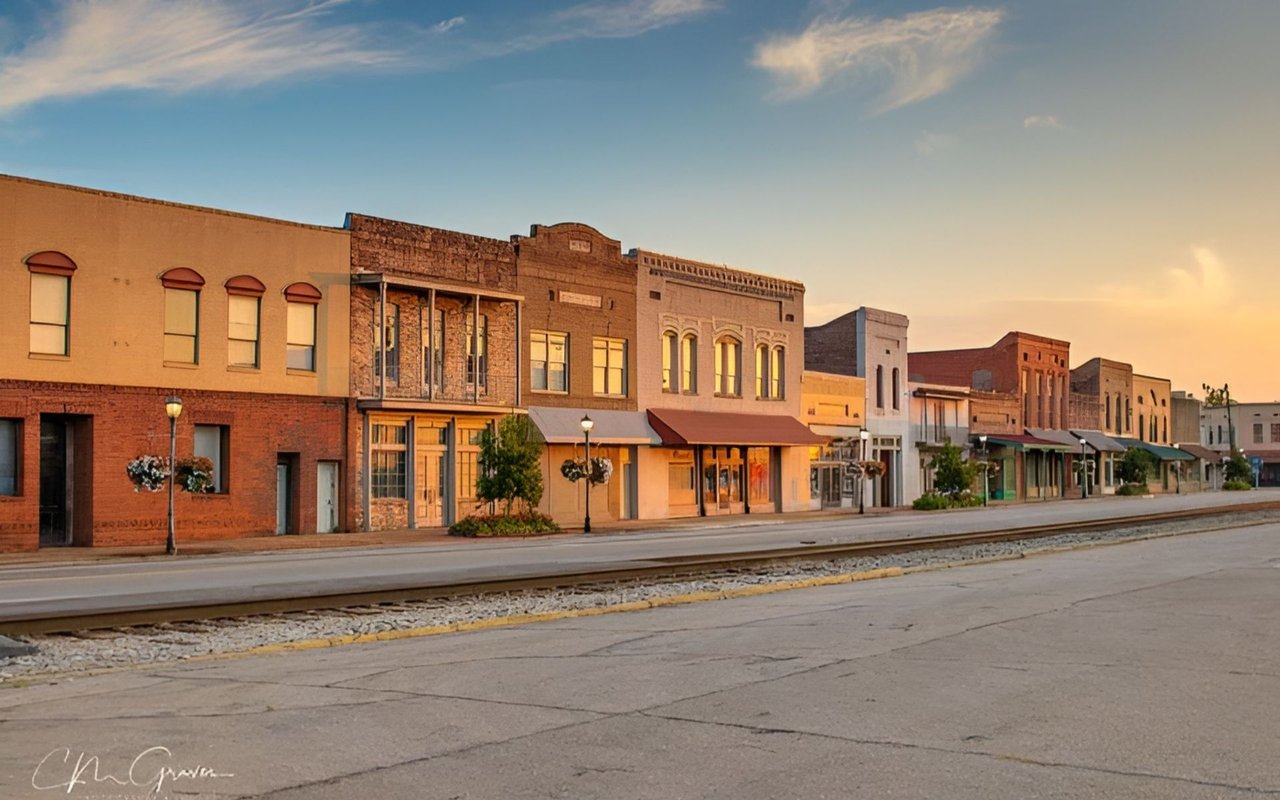
Brewton is a small, county‑seat community that serves as a hub for Escambia County. You’ll find a visible downtown core, civic buildings, and tree‑lined streets surrounded by rural landscapes. The pace is calm compared with larger metros, and life revolves around local schools, churches, community events, and high‑school activities.
Residents include families who want yard space and affordability, retirees who value a quieter lifestyle, and people connected to agriculture, forestry, healthcare, and education. You get small‑town familiarity with practical access to bigger cities when you need them.
Neighborhoods and homes
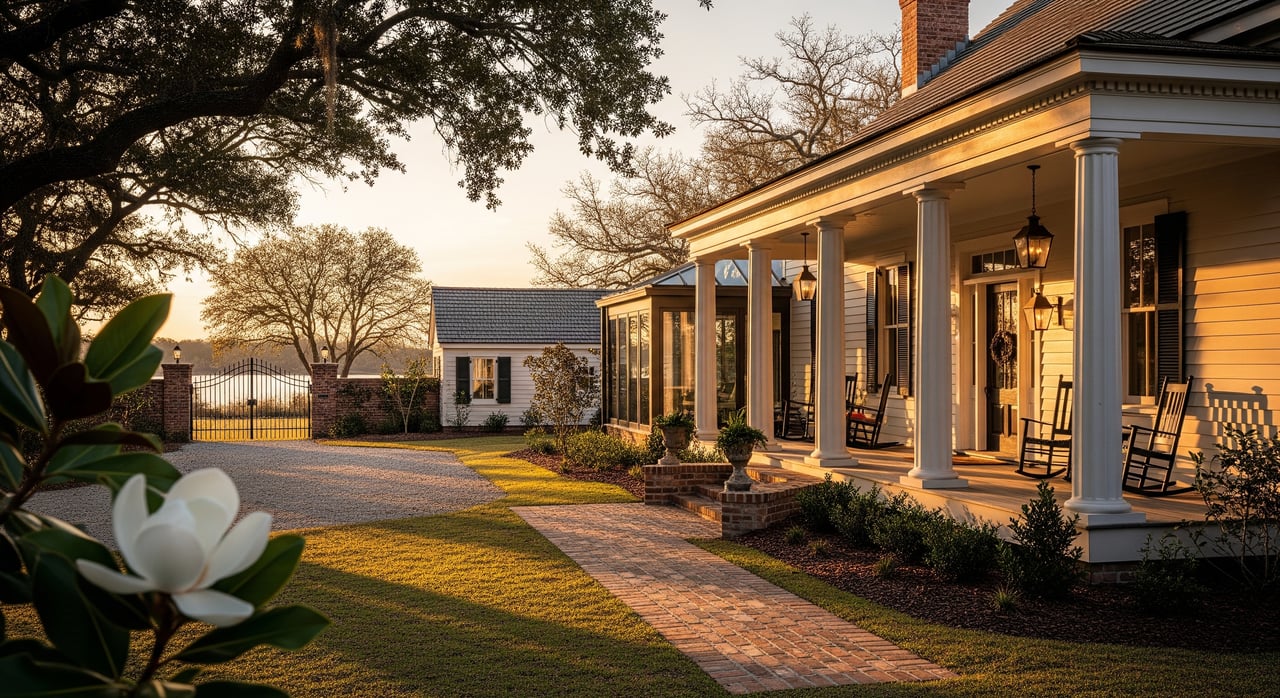
Housing in Brewton is dominated by single‑family homes. Close to downtown, you’ll see historic cottages and bungalows with inviting front porches. In established neighborhoods, mid‑century ranch homes and modest brick houses are common. On the edges of town and in the county, you can find newer builds, manufactured homes, and acreage.
Lots tend to be larger than what you’d find in a metro area. Many homes are older, which gives character but may require updates. You will also find well‑maintained historic properties alongside places that need renovation, plus newer subdivisions with more modern finishes.
What your money buys
Affordability is a key draw. Prices typically sit below major metro averages, though inventory in a small market can be thin. That means prices and days on market may shift with only a few listings. Alabama’s property tax rates are generally lower than national averages, which helps with carrying costs. If you are comparing neighborhoods, plan for a close review of recent local sales and utility costs.
Land and acreage options
If you are eyeing land for a homesite, recreation, or timber, you are in the right place. The area’s forestry and agricultural roots show up in available tracts, from small recreational parcels to larger timber holdings. Consider access, soils, topography, utilities, and any easements. Local expertise matters when evaluating timber value and management. If you want an on‑the‑ground assessment, a forester can help you understand current stand quality, harvest timelines, and long‑term value.
Schools and learning
Public schools play a central role in community life. Families often plan their week around school calendars, ballgames, and extracurriculars. To understand academics and programs, review the latest Alabama State Department of Education report cards, then pair that with a school visit to get a feel for class offerings and student activities. Private options may be available in the broader area, and there are nearby community colleges for workforce training and dual‑enrollment pathways.
When comparing neighborhoods, check current school zones and transportation options. Ask about programs that fit your student’s interests, like career‑tech, arts, or athletics. Keep in mind that school data and boundaries can change, so verify details before you buy.
Daily life and conveniences
You can handle everyday errands in town. Expect grocery options, pharmacies, hardware stores, auto and farm supply, and locally owned shops. Dining leans toward comfortable and local, with a few national names in the mix. Nightlife is limited compared with the city, but you will find coffee spots, casual restaurants, and seasonal events that bring people together.
For specialty shopping or niche services, many residents make a day trip to larger nearby cities. It’s common to plan bulk shopping, medical visits, or special activities around those trips.
Healthcare and essential services
You will find local clinics and a community hospital setting for routine care. For specialized treatment or major procedures, most people drive to larger medical centers in regional hubs. Day‑to‑day needs are covered by local banks, the post office, city services, and county offices. Veterinarians, HVAC pros, and contractors are available, though you may need to schedule ahead during busy seasons.
Internet and utilities
Broadband access and speeds vary by neighborhood, especially in rural areas. If you work from home or have high bandwidth needs, check specific addresses for available providers and service levels before you make an offer. Inside city limits, most homes tie into municipal water and sewer. In outlying areas, wells and septic systems are common, which means inspections and routine maintenance should be part of your ownership plan.
Parks, rivers, and outdoor fun
Brewton’s location puts you close to rivers, lakes, and forestlands. The region includes access to the Conecuh National Forest for hiking, camping, wildlife viewing, and seasonal hunting. Locally, you will find city parks with playgrounds, ballfields, and picnic areas, along with boat launches for paddling and fishing.
Youth sports, church leagues, and parks and recreation programs keep weekends busy. If you love being outside, the mix of public land, private timber country, and community parks makes it easy to unplug without going far.
Getting around
Brewton connects to the region by state and U.S. highways. Many residents commute within town or to nearby communities. For major services, retail, or flights, people often drive to Pensacola. The trip typically takes about an hour, depending on traffic and your starting point. Mobile and other Gulf Coast metros are a longer drive, which still works well for occasional travel or weekend plans.
Public transit is limited in rural Alabama, so most errands require a car. Pensacola International Airport is often the closest major airport for commercial flights. During hurricane season, stay aware of regional weather and evacuation updates so you can plan travel routes if needed.
Jobs and the local economy
The local job base reflects small‑town Alabama. You will see roles in schools, local government, healthcare, retail, agriculture, forestry, and small manufacturing. Some residents commute to nearby cities to widen their options or work a hybrid schedule that blends remote days with on‑site visits.
If you are moving for work, consider where your job sits relative to major highways and whether you will need airport access. If you are relocating a small business, look at downtown storefronts, corridor sites, and light industrial spaces. Local relationships, zoning, and permitting can shape what is possible, so it helps to work with people who know the process.
Safety, services, and local government
Brewton has a local police department, supported by county sheriff and emergency services. Like most communities, crime varies by neighborhood and property type. Review recent trends and talk with local officials to understand patterns, then compare them with county and state context. City services cover water, sewer in many areas, and regular garbage collection. Fire departments and EMS provide coverage, and response times depend on your location.
Local government plays a hands‑on role in events, parks, and everyday quality of life. City council meetings and community boards are good places to learn about upcoming projects, road work, or new businesses.
Weather and homeownership realities
South Alabama living means warm summers and mild winters. You will want to plan for humidity, storm prep, and regular HVAC maintenance. If you are buying near a creek, river, or low‑lying area, check flood zones and elevation. Talk to your insurance agent about coverage options that match your risk profile.
Older homes are common, so inspections matter. Ask for thorough evaluations of roofing, electrical, plumbing, HVAC, and crawlspace conditions. Termite and moisture checks are standard in this climate. If you are considering rural property, include well, septic, and boundary reviews. For land with timber, a forestry assessment can clarify the current and future value of your trees.
Is Brewton a fit for you?
Choose Brewton if you want a slower pace, strong community ties, and quick access to the outdoors. You will trade big‑city variety for small‑town convenience, but you gain neighbors who know your name and room to breathe. If that sounds like your kind of balance, we can help you find the right home, acreage, or storefront.
Have questions about neighborhoods, land potential, or pricing in today’s market? Call or text 251‑236‑0195 for quick, local guidance. Or start a conversation with Melissa McMillan to explore your options.
FAQs
How affordable is housing in Brewton, Alabama?
- Affordability is a common draw, with prices generally below metro averages and property taxes that are typically lower than national levels.
What kinds of homes will I find in Brewton?
- You will see historic cottages near downtown, mid‑century ranch homes, modest brick houses, and newer builds or manufactured homes on larger lots.
How are the public schools in Brewton?
- Schools are central to community life; review the latest state report cards and visit campuses to compare programs, transportation, and extracurricular options.
What is the commute to Pensacola and Mobile like?
- Many residents drive to Pensacola in roughly about an hour for flights and services, with Mobile taking longer depending on route and traffic.
Is broadband internet reliable in Brewton?
- Service varies by neighborhood, so check specific address availability and speeds if you work from home or stream heavily.
What outdoor activities are nearby?
- You have access to local parks, rivers for fishing and paddling, and the nearby Conecuh National Forest for hiking, camping, and seasonal hunting.